


Fantasy Play: A Simple Way to Bring More Pleasure and Creativity Into Your Life
Fantasy play is often misunderstood, even though it is one of the most natural and accessible ways to explore pleasure. Many people hear the word fantasy and immediately think it has to be dramatic, explicit, or complicated. In reality, fantasy play is rooted in curiosity, creativity, and learning how to feel more at home in your own body.
Fantasy is not about performing or escaping reality. From a psychological and clinical perspective, fantasy is a healthy expression of imagination and desire. It allows the mind and body to communicate more freely, creating opportunities for deeper pleasure, emotional connection, and self awareness.
As a licensed psychologist and sex therapist, I often emphasize that fantasy play is not about doing more, it is about feeling more. When approached gently, fantasy becomes a form of self care, emotional regulation, and embodied exploration.
At its core, fantasy play is about giving yourself permission. Permission to imagine. Permission to move. Permission to explore what feels good without pressure, expectation, or judgment.
What Fantasy Play Really Is
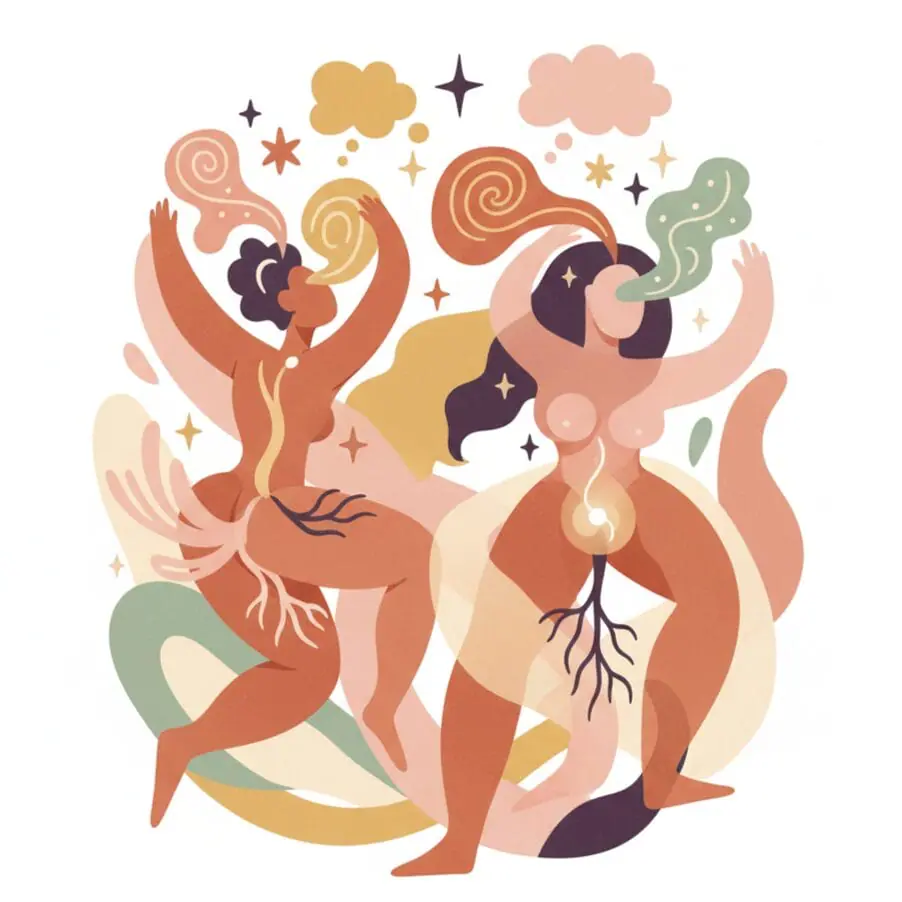
Fantasy play is the meeting point between imagination and the body. It is where thoughts, sensations, emotions, and curiosity come together in a way that feels safe and self directed.
Clinically, fantasy play supports nervous system regulation. When the body feels safe, it becomes easier to relax, connect, and experience pleasure. Fantasy allows the brain to step out of performance mode and into presence.
Fantasy play can be solo or shared with a partner. It can involve movement, touch, sound, imagery, or emotional expression. It can be quiet and grounding or playful and expressive. There is no single correct way to fantasize because fantasy is deeply personal.
Rather than being something that takes you away from yourself, fantasy often brings you closer to your authentic desires, boundaries, and emotional needs.
Why Fantasy Play Feels So Good
Fantasy play feels good because it works with your biology, not against it. Pleasure increases when the nervous system is regulated and when the body feels safe.

From a psychological standpoint, fantasy play supports pleasure in several important ways:
- It helps the body relax by reducing pressure and expectation
- It heightens sensation by inviting awareness to areas that want attention
- It deepens intimacy by encouraging emotional expression and vulnerability
- It supports desire by allowing curiosity to unfold naturally
When the body feels safe, sensation becomes richer. Fantasy creates that safety by emphasizing choice, imagination, and self compassion.
Fantasy also allows people to explore desire without needing to act on it. In therapy, fantasy is often understood as information, not instruction. It tells us what excites curiosity, what soothes the nervous system, and what emotional needs may be present.

“Fantasy Play is where imagination and the body meet.“
Dr. Shannon Chavez
Common Myths About Fantasy Play
One of the most common misconceptions about fantasy play is that it means pretending to be someone else or wanting something extreme. In reality, fantasy is often subtle, emotional, and deeply connected to everyday experiences of pleasure.
Fantasy play is not about dissatisfaction. It does not mean something is missing in your relationship or your body. In fact, fantasy is often a sign of emotional vitality and creativity.
Fantasy does not have to be theatrical or scripted. It can be as simple as imagining a feeling, a mood, or a sensation. It can involve humor, softness, curiosity, or even silliness.
When fantasy is approached without judgment, it becomes a space for exploration rather than pressure.
How to Begin Exploring Fantasy Play
Starting fantasy play does not require confidence or experience. It requires curiosity and a willingness to listen to your body.

A few gentle ways to begin include:
- Start with an image, thought, or feeling that feels comforting or playful
- Allow your body to move naturally, even in small ways like stretching or swaying
- Engage your senses with lighting, music, texture, or scent that feels soothing
- If exploring with a partner, keep communication light, curious, and pressure free
Fantasy play is not about doing it right. It is about noticing what feels good and allowing that experience to unfold at its own pace.
If your mind wanders or you feel awkward, that is normal. Gently returning attention to sensation rather than judgment helps the experience stay grounded and enjoyable.
Fantasy Play as Self Care and Emotional Wellness

Fantasy play is not only about pleasure. It can also be a powerful form of self care and emotional regulation.
From a clinical perspective, play activates the parasympathetic nervous system, which supports relaxation, emotional bonding, and pleasure. This is the same system involved in rest, digestion, and healing.
When fantasy play feels safe, it can help reduce stress, increase body awareness, and improve emotional intimacy. It allows people to reconnect with parts of themselves that may feel shut down or disconnected due to stress, trauma, or pressure.
Fantasy can also support body confidence by shifting focus away from performance and toward sensation, curiosity, and presence.
Bringing Playfulness Into Pleasure
Playfulness is one of the most overlooked elements of intimacy. When pleasure becomes serious or goal focused, the body often tightens. Playfulness softens that tension.
Fantasy play invites lightness. It makes space for laughter, curiosity, and emotional expression. It allows pleasure to feel human rather than perfect.
In clinical practice, play is often where healing happens. When people allow pleasure to be imperfect, they reconnect with desire in a way that feels safe and sustainable.
Fantasy play does not require constant novelty. It thrives on permission and presence.
The Heart of Fantasy Play

Fantasy play is an invitation to come home to yourself. It reminds you that pleasure does not need to be earned or perfected.
It can be gentle. It can be curious. It can be grounding or expressive.
When you allow yourself to play, you reconnect with desire in a way that feels authentic. You become more present in your body. You allow creativity and imagination to support pleasure rather than pressure.
Fantasy play is not about escaping your life. It is about inhabiting it more fully, with curiosity, compassion, and joy


