


January, the Month of Self Love: Sexual Health, Mental Wellness, and a New Year Reset for Intimacy
January is often framed as a month of discipline, productivity, and big resolutions. But for your emotional wellbeing and your sexual health, January offers something far more sustainable, a chance to begin again with self compassion.
January is widely recognized as Self Love Month, and for many people it also aligns with a natural emotional dip after the holidays, less sunlight, more pressure, and a sense of disconnection. Mental health experts often describe a post holiday mood shift that can include fatigue, sadness, anxiety, and loneliness.
This is exactly why January can become a powerful reset point for intimacy. Not a performance based reset, but a nervous system reset, one that supports safer sex, healthier connection, and more honest communication.
This month also includes several awareness dates that connect directly to sexual health and relationship wellbeing. When you look at them together, a clear theme emerges.
Self love is the foundation, for mental wellness, sexual wellbeing, and emotional intimacy.
January is Mental Wellness Month: why mental health affects desire and intimacy
January is often referenced as Mental Wellness Month, which is a helpful lens for understanding sexuality. Mental wellness shapes how we experience our body, our desire, and our ability to connect. When anxiety is high, the body tends to shift into protection mode, which can make arousal harder, reduce desire, and increase avoidance patterns.
Mental wellness also influences:
- Emotional safety in relationships
- Body confidence and self image
- Communication around boundaries and needs
- The ability to receive touch without tension or shutdown
A sex therapy approach often starts by helping clients understand that intimacy is not only physical. It is emotional regulation, trust, consent, and presence. Building mental wellness habits in January can support intimacy throughout the year.
A New Year reset that actually works: replacing pressure with self compassion
Many New Year goals collapse because they rely on force. A healthier January reset focuses on small, repeatable shifts that make your life feel safer and more connected.
Try reframing common “fix myself” resolutions into self love intentions:
- Instead of “be more confident,” try “practice kinder self talk”
- Instead of “have more sex,” try “create more connection”
- Instead of “stop feeling anxious,” try “support my nervous system”
- Instead of “be perfect,” try “be honest”
This approach is effective because it is rooted in psychology, not shame. It also naturally supports the keywords people search for in January, like relationship reset, intimacy goals, mental health and sexuality, and anxiety and intimacy.
January is STI Awareness Month, including January 14: STI Awareness Day
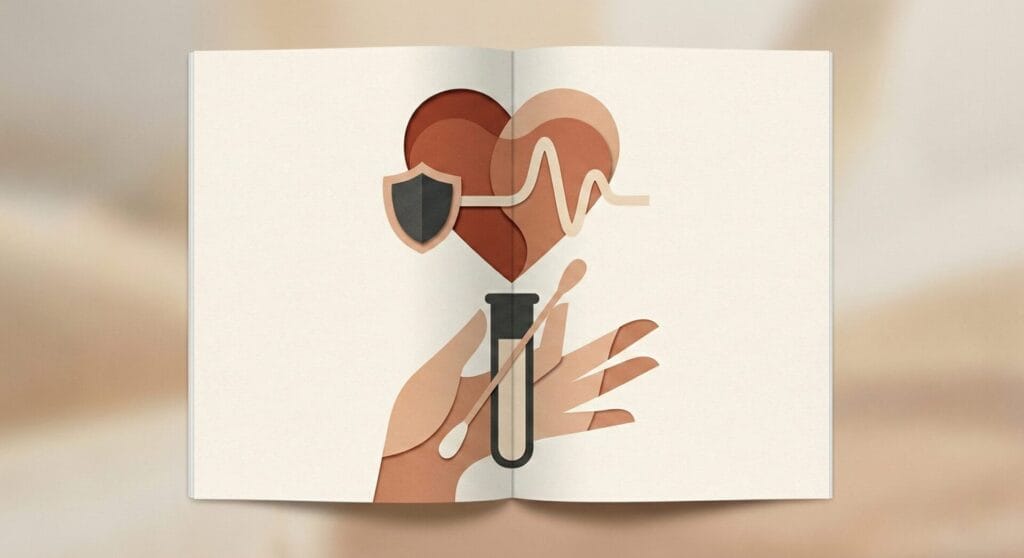
Self love includes caring for your sexual health without shame. January is commonly observed as STI Awareness Month, and January 14 is recognized by many health education calendars as a dedicated day to encourage testing, reduce stigma, and promote safer sex conversations.
The global numbers are also a reminder that testing is not about fear, it is about informed care:
- The World Health Organization estimated 374 million new infections in 2020 across four curable STIs, chlamydia, gonorrhoea, syphilis, and trichomoniasis.
- WHO also notes that more than 1 million curable STIs are acquired every day worldwide.
From a sex therapy lens, STI awareness is also emotional work. It supports:
- Honest conversations that reduce anxiety
- Clearer boundaries, especially in new relationships
- Trust building through transparency
- Repair conversations after a diagnosis or disclosure
Self love means advocating for your health, asking for what you need, and removing shame from medical responsibility.
Mid January: Fetish awareness, desire, and reducing shame

Your desire is not “too much,” “too weird,” or “wrong,” it is information. Some calendars mark National Fetish Day in mid January, and International Fetish Day is widely observed on the third Friday in January.
In therapy, shame often blocks intimacy more than lack of attraction. When people feel ashamed of what turns them on, they hide, perform, or disconnect. Bringing desire into the light, with consent and mutual respect, can deepen emotional intimacy.
A self love approach to desire sounds like:
- I can be curious without judging myself
- I can communicate preferences without pressure
- I can explore consent based fantasies safely
- I can ask for reassurance and boundaries
This section helps you rank for searches like fetishes and relationships, desire and shame, sex therapy for intimacy, and emotional safety in sex.
January 21: National Hugging Day, the science of touch and emotional safety

January 21 is widely recognized as National Hugging Day, a reminder that affection and closeness are not trivial. Touch can be a stabilizing force, especially during anxious or low mood seasons.
Research on affective touch and stress regulation describes how touch can help buffer stress responses and support emotional regulation.
In sex therapy, rebuilding safe touch is often the bridge back to intimacy. Not rushed, not performative, just safe, consensual closeness that tells the body, you are safe with me.
If you are partnered, this can look like:
- Longer hugs, with a clear ask and consent
- Hand holding during difficult conversations
- Non sexual touch that rebuilds warmth
If you are single, touch still matters:
- Self soothing practices, like a warm shower, lotion, or gentle body care
- Massage, stretching, or somatic grounding
- Choosing nurturing physical comfort without shame
January loneliness, post holiday blues, and why self love includes connection
January can amplify loneliness. The holidays create noise, structure, and social expectations, and then suddenly it goes quiet. Many mental health resources describe a post holiday mood shift that includes feelings of loneliness or sadness.
This matters for sexual health because loneliness often leads to two extremes:
- Disconnecting completely, avoiding intimacy and touch
- Seeking quick connection without emotional safety, which can increase anxiety afterward
Self love means building connection that supports you, not connection that depletes you.
A grounded January plan can include:
- One meaningful reach out per week, a friend, family member, therapist
- A “low pressure intimacy” practice, such as affectionate touch, honest conversation, or solo sensual care
- Boundaries around situations that trigger regret, shame, or emotional crash
This also broadens SEO reach for searches like loneliness and relationships, post holiday blues, intimacy anxiety, and self care for mental health.
January 26: National Spouses Day and sustaining long term intimacy

January 26 is commonly observed as National Spouses Day, which offers a helpful reminder that long term relationships need intentional care, not assumptions.
Sustaining intimacy is not about constant passion. It is about emotional safety, repair, and ongoing curiosity.
Healthy long term intimacy often includes:
- Regular check ins about needs and stress
- Normalizing changing desire across life phases
- Repair after conflict, instead of silent distance
- Making room for pleasure without pressure
Self love in partnership includes advocating for your needs, while also staying open to your partner’s experience.
Bringing it all together: January as a practice of self love
January is not just a month of goals. It is a month of grounding. It is a chance to rebuild the relationship you have with your body, your mind, and your ability to connect.
Self love looks like:
- Caring for sexual health through knowledge and testing
- Reducing shame around desire, fantasy, and preferences
- Using touch, affection, and nervous system care to rebuild safety
- Creating intimacy goals that focus on connection, not performance
- Getting support when anxiety, trauma, or disconnection makes intimacy hard
If you want to make this January different, start here:
Choose one act of self love that supports your mental wellness, and one act of self love that supports your intimacy.
Small steps done consistently become your new baseline.

