World Wellbeing Week 2026
7 Daily Practices for Mind, Body, Connection, Rest, Intimacy and Purpose
A global wellbeing guide from Dr. Shannon Chavez, exploring daily practices, worldwide statistics, and the deeper relationship between emotional health, body awareness, intimacy, rest, self care and connection.
World Wellbeing Week 2026 takes place from 24 to 30 June 2026. It is a global awareness week focused on improving health and wellbeing in the workplace and wider society. For individuals, couples, families and communities, it is also a powerful invitation to pause, reflect and ask a deeper question:
What does it really mean to be well?
Wellbeing is often marketed as a product, a routine, a fitness plan or a perfectly curated lifestyle. But in real life, wellbeing is much more human than that. It is the way we sleep, move, communicate, recover, touch, relate, desire, rest, regulate and make meaning.
For Dr. Shannon Chavez, wellbeing is not only physical health or emotional balance. It is also the relationship you have with your body, your nervous system, your pleasure, your boundaries, your relationships and your capacity to feel connected to yourself.
This 2026 World Wellbeing Week guide explores seven daily themes:
- Day 1: Mind Wellbeing
- Day 2: Body Wellbeing
- Day 3: Relational Wellbeing
- Day 4: Rest Wellbeing
- Day 5: Intimate Wellbeing
- Day 6: Purpose Wellbeing
- Day 7: Integration and Self Care
Each day includes a practical wellbeing focus, a statistical observation and a simple practice you can try in your own life.
Why World Wellbeing Week Matters in 2026
Wellbeing is no longer a soft topic. It is a global health, workplace, relationship and public policy issue.
The World Health Organization reports that 31 percent of adults and 80 percent of adolescents do not meet recommended physical activity levels. WHO also estimates that the cost of physical inactivity to public healthcare systems between 2020 and 2030 could reach about US$300 billion if inactivity is not reduced.
At the same time, WHO’s Commission on Social Connection has reported that 1 in 6 people worldwide is affected by loneliness, with loneliness linked to an estimated 871,000 deaths annually. This makes connection, community and belonging central parts of public health.
Wellbeing is also a major economic force. The Global Wellness Institute reported that the global wellness economy reached US$6.8 trillion in 2024 and is projected to reach nearly US$9.8 trillion by 2029.
But while the wellness industry grows, many people still struggle with the most basic foundations of wellbeing: sleep, movement, connection, emotional regulation, sexual confidence, self care and asking for help.
This is why World Wellbeing Week should not be treated as a one week trend. It should be treated as a reset point.
Wellbeing at a Glance: Key Global Statistics
| Wellbeing Area | Statistic or Observation | Why It Matters |
|---|---|---|
| Physical activity | WHO reports that 31 percent of adults and 80 percent of adolescents do not meet recommended physical activity levels. | Movement is one of the most accessible foundations of whole person wellbeing. |
| Social connection | WHO reports that 1 in 6 people worldwide is affected by loneliness. | Connection is not only emotional. It has measurable health and longevity implications. |
| Sleep | CDC data shows that about one third of U.S. adults and children under 14, and three quarters of high schoolers, do not get enough sleep. | Rest is a biological foundation for emotional regulation, concentration, physical health and relationship functioning. |
| Self care | WHO marks Self Care Month from 24 June to 24 July, ending on Self Care Day, chosen because self care can be practiced 24 hours a day, 7 days a week. | Self care is not indulgence. It is part of health literacy and everyday prevention. |
| Sexual wellbeing | WHO defines sexual health as physical, emotional, mental and social wellbeing in relation to sexuality, not merely the absence of disease or dysfunction. | Intimacy, pleasure, safety, communication and body confidence are legitimate parts of wellbeing. |
| Global wellbeing | The World Happiness Report combines data from over 140 countries to evaluate life quality and wellbeing. | Wellbeing is shaped by culture, trust, connection, social support, health and meaning. |
| Wellness economy | The Global Wellness Institute reports that the wellness economy reached US$6.8 trillion in 2024. | People are investing in wellbeing, but the deepest work still happens through sustainable daily practices. |
World Wellbeing Week 2026: A 7 Day Practice Plan
World Wellbeing Week runs from Wednesday 24 June to Tuesday 30 June 2026. The structure below gives each day a clear theme that Dr. Chavez can use for a blog series, social carousel, video script, newsletter, or therapy education campaign.
Day 1, 24 June 2026: Mind Wellbeing
The focus: Regulate before you react
Mind wellbeing is not about being positive all the time. It is about noticing what is happening internally before it becomes a reaction, a conflict, a shutdown, or a spiral.
Many people think emotional regulation means controlling feelings. In therapy, it is often more useful to think of it as learning how to stay present with yourself without abandoning your body, your truth, or your capacity to respond.
When the mind is overwhelmed, the body often follows. The breath tightens. The jaw clenches. The stomach contracts. The nervous system moves into protection. In relationships, this can show up as defensiveness, avoidance, people pleasing, anger, silence, or disconnection.
Mind wellbeing begins with awareness.
Statistical observation
WHO reports that depression affects an estimated 5.7 percent of adults globally. More broadly, WHO has reported that hundreds of millions of people worldwide live with mental health conditions, with anxiety and depression among the most common.
This does not mean everyone needs to pathologize difficult emotions. It means emotional wellbeing deserves everyday language, early support and consistent care.
Practice for Day 1: The 90 second pause
- Pause for 90 seconds before responding to a stressful message, conflict, request or internal trigger.
- Place one hand on your chest or abdomen.
- Name what you feel in plain language: “I feel tense,” “I feel disappointed,” “I feel pressured,” or “I need a moment.”
- Ask: “What response would support my wellbeing, not just my fear?”
This simple practice creates space between impulse and choice.
Day 2, 25 June 2026: Body Wellbeing
The focus: Movement as body connection, not punishment
Body wellbeing is often framed through weight, appearance, fitness goals or discipline. But a healthier frame is connection.
Your body is not only something to improve. It is something to listen to.
Movement can support circulation, energy, sleep, mood, strength, mobility, confidence and desire. It can also become a way of repairing the relationship between the body and the mind, especially for people who have learned to disconnect from sensation, pleasure, hunger, fatigue or pain.
For many people, body wellbeing begins when movement stops being punishment and becomes communication.
Statistical observation
WHO reports that 31 percent of adults and 80 percent of adolescents are not meeting recommended physical activity levels. WHO also states that physical activity supports prevention and management of noncommunicable diseases, including cardiovascular disease, cancer and diabetes, while also supporting brain health and overall wellbeing.
Practice for Day 2: The 10 minute body return
- Take a 10 minute walk, stretch, dance, cycle, move slowly, or do mobility work.
- Do not track performance.
- Ask your body: “Where do I feel most alive today?”
- Ask your body: “Where do I feel most held, tight or tired?”
- End with one full breath into the chest and one full breath into the belly.
The goal is not perfection. The goal is reconnection.
Day 3, 26 June 2026: Relational Wellbeing
The focus: Connection is a health practice
Relational wellbeing is the quality of your connection with others. It includes friendship, family, romantic relationships, community, professional support and the ability to feel seen without needing to perform.
Human beings are not designed to heal in isolation. We regulate through connection. We grow through safe relationships. We learn ourselves through being witnessed, respected and understood.
But modern life can make connection harder. Digital communication can create constant contact without true intimacy. Work pressure can leave little room for community. Shame can make people withdraw. Conflict can make people protect themselves instead of reaching out.
Relational wellbeing asks: Who helps you feel more like yourself?
Statistical observation
WHO’s Commission on Social Connection reported that 1 in 6 people worldwide is affected by loneliness. The same WHO announcement linked loneliness to an estimated 100 deaths every hour, more than 871,000 deaths annually.
This is one of the clearest signs that connection is not optional. It is part of health.
Practice for Day 3: One honest connection
- Send one message that is more honest than usual.
- Ask someone: “How are you really doing this week?”
- Tell someone: “I appreciate having you in my life.”
- Ask for support before you reach crisis point.
- If you are partnered, ask: “What helps you feel emotionally safe with me?”
Relational wellbeing grows through small, sincere signals of care.
Day 4, 27 June 2026: Rest Wellbeing
The focus: Rest is not a reward, it is maintenance
Rest wellbeing is about how we recover. It includes sleep, pauses, quiet, unstructured time, nervous system repair, emotional decompression and giving the body a chance to come out of survival mode.
Many people treat rest as something they must earn. This belief can create chronic overextension, irritability, low desire, reduced creativity and emotional depletion.
Rest is not laziness. Rest is biological maintenance.
In relationships, rest matters because exhaustion changes how people communicate. A tired body may interpret neutral comments as criticism. A depleted nervous system may avoid intimacy, overreact to small stressors, or struggle to stay emotionally available.
Statistical observation
CDC data shows that about one third of U.S. adults and children under 14, and about three quarters of high schoolers, do not get enough sleep. CDC also links insufficient sleep with increased risk of anxiety, depression, obesity, heart disease, injury and other serious conditions.
Practice for Day 4: The sleep boundary
- Choose one boundary that protects your sleep tonight.
- Stop work messages at a set time.
- Reduce screen intensity before bed.
- Place your phone away from your pillow.
- Create a 10 minute wind down ritual: shower, breathing, reading, stretching, journaling, or silence.
Better rest often begins with one protected boundary.
Day 5, 28 June 2026: Intimate Wellbeing
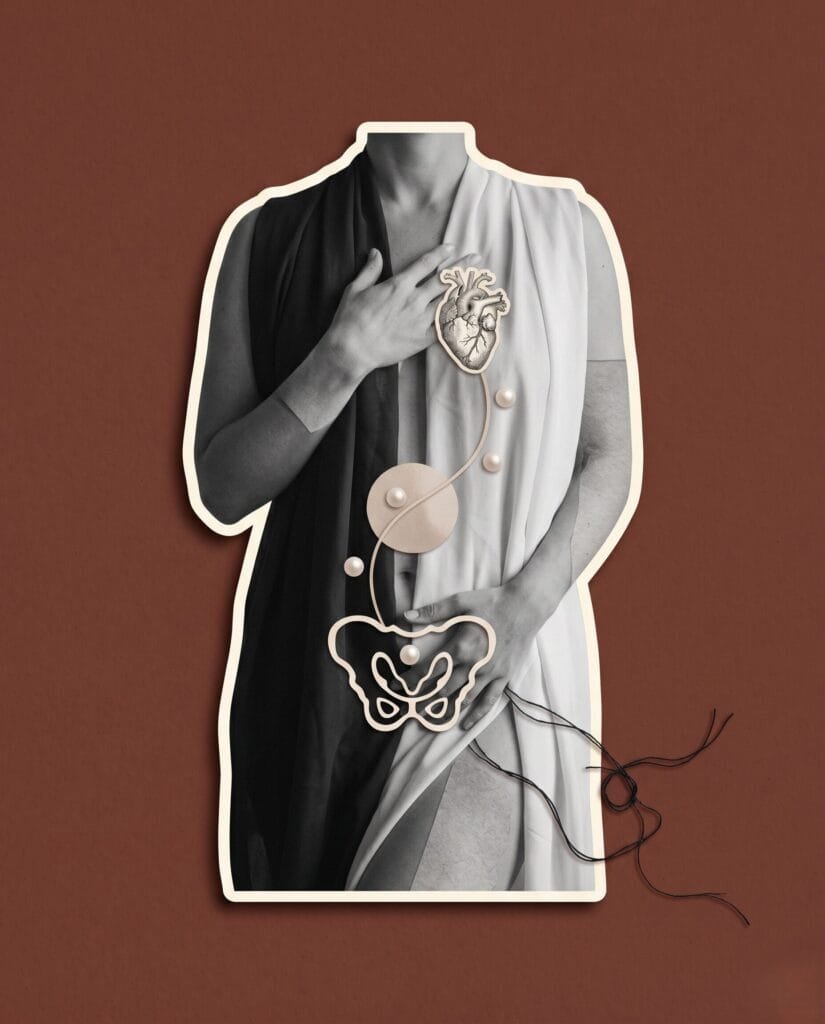
The focus: Your body deserves dignity, pleasure and honest language
Intimate wellbeing is the part of wellbeing that many people avoid talking about. It includes body confidence, desire, pleasure, touch, sexual communication, safety, consent, self trust, relational intimacy and the ability to feel at home in your own body.
This is where Dr. Chavez’s work becomes especially important.
Many people are taught to separate intimacy from health. They may talk about nutrition, exercise, sleep and stress, but avoid conversations about desire, pleasure, sexual confidence, shame, body image, erectile function, orgasm, pelvic health, self touch, pain, avoidance or emotional safety.
But intimacy is not separate from wellbeing. It is part of wellbeing.
Statistical observation
WHO defines sexual health as physical, emotional, mental and social wellbeing in relation to sexuality. WHO also emphasizes that sexual health is not merely the absence of disease, dysfunction or infirmity, and that it requires a positive and respectful approach to sexuality and sexual relationships.
This definition matters because it validates what many people already feel: intimacy is not just physical. It is emotional, relational, psychological, embodied and deeply human.
Practice for Day 5: The body trust check in
- Place one hand over the heart and one hand over the lower abdomen.
- Ask: “Where do I feel connected to my body?”
- Ask: “Where do I feel shame, pressure or disconnection?”
- Ask: “What kind of touch, pace, rest or communication helps me feel safe?”
- If partnered, ask: “What conversation about intimacy have we been avoiding?”
Intimate wellbeing begins with permission to be honest.
Day 6, 29 June 2026: Purpose Wellbeing

The focus: Meaning is a form of nourishment
Purpose wellbeing is about feeling that your life, choices, work, relationships and daily practices connect to something meaningful.
Purpose does not always need to be grand. It can be found in care, creativity, service, healing, parenting, friendship, learning, spiritual practice, community, craft, advocacy, rest, or choosing to live more truthfully.
In therapy, purpose often becomes clearer when people stop asking only, “What should I do?” and begin asking, “What matters to me now?”
Purpose wellbeing is not about productivity. It is about alignment.
Statistical observation
The World Happiness Report describes itself as a global wellbeing publication that uses open access data from over 140 countries. The report’s global happiness ranking asks people to evaluate the quality of their lives on a 0 to 10 scale. In the 2026 rankings published by the Happier Lives Institute, Finland, Iceland, Denmark and Costa Rica were listed among the top ranked countries.
The lesson is not that wellbeing looks the same everywhere. The lesson is that social support, trust, life evaluation, community and meaning all matter when we talk about quality of life.
Practice for Day 6: The values compass
- Write down three words that describe how you want to feel in your life.
- Write down one relationship that supports those values.
- Write down one habit that moves you away from those values.
- Choose one small action that brings your day back into alignment.
Purpose is often built through repeated small choices, not one dramatic life change.
Day 7, 30 June 2026: Integration and Self Care
The focus: Make wellbeing sustainable
The final day of World Wellbeing Week is not an ending. It is the integration day.
Integration means asking what can realistically continue after the campaign, the post, the event or the awareness week. A wellbeing practice only becomes powerful when it becomes livable.
For some people, that might mean a weekly therapy appointment. For others, it might mean a daily walk, a monthly relationship check in, a consistent bedtime, more honest conversations about intimacy, better boundaries with work, or a willingness to ask for support sooner.
Self care is often misunderstood as comfort. True self care can also be practical, preventative, relational and brave.
Statistical observation
WHO marks Self Care Month from 24 June to 24 July, ending with Self Care Day on 24 July. The date was chosen because self care can be practiced 24 hours a day, 7 days a week. WHO defines self care as the ability of individuals, families and communities to promote and maintain health, prevent disease and cope with illness and disability, with or without the support of a health worker.
Practice for Day 7: The one thing to keep
- Look back at the six previous themes: mind, body, connection, rest, intimacy and purpose.
- Choose one practice that felt realistic.
- Choose one area where you need support.
- Choose one conversation you are ready to have.
- Write one sentence: “This month, I will care for myself by…”
Integration turns awareness into action.
Global Wellbeing Dates to Know in 2026
World Wellbeing Week sits inside a wider global calendar of wellbeing, health, self care and connection related observances. These dates can help individuals, therapists, workplaces and educators continue the conversation throughout the year.
| Date | Observance | Why It Matters |
|---|---|---|
| 20 March | International Day of Happiness | A United Nations observance recognizing happiness and wellbeing as universal goals. |
| 13 June 2026 | Global Wellness Day | A global movement encouraging people to take one step toward living well. |
| June | Men’s Health Month | A timely opportunity to discuss men’s physical health, emotional wellbeing, prostate health, intimacy and preventative care. |
| 15 to 21 June 2026 | International Men’s Health Week | A focused week for education and awareness around men’s health needs. |
| 24 to 30 June 2026 | World Wellbeing Week | A global awareness week focused on wellbeing in workplaces and wider society. |
| 24 June to 24 July | Self Care Month | WHO frames self care as something that can be practiced 24 hours a day, 7 days a week. |
| 27 June | National HIV Testing Day | A U.S. awareness day encouraging people to know their status and get linked to care. |
| 24 July | International Self Care Day | A global reminder that self care is part of health, prevention and daily living. |
| 4 September | World Sexual Health Day | A global sexual health awareness day led by the World Association for Sexual Health. |
| 10 October | World Mental Health Day | A WHO recognized campaign day focused on mental health awareness and action worldwide. |
What Different Countries Can Teach Us About Wellbeing
Wellbeing is global, but it does not look the same everywhere. Culture, healthcare access, social trust, economic conditions, gender expectations, family systems, work culture, religion, body norms and community structures all influence how people understand wellbeing.
| Country or Region | Wellbeing Insight | What It Can Teach Us |
|---|---|---|
| Finland | Finland has topped the World Happiness Report rankings since 2018. | Social trust, support systems and quality of life are powerful wellbeing factors. |
| Costa Rica | Costa Rica appeared among the top ranked countries in the 2026 happiness ranking published by the Happier Lives Institute. | Wellbeing is not only a Nordic story. Social connection, environment and life evaluation matter across cultures. |
| United States | CDC sleep data shows that many U.S. adults and young people do not get enough sleep. | Rest should be treated as public health, not a personal weakness. |
| United Kingdom | Workplace wellbeing campaigns are increasingly tied to mental wellbeing, connection, workload and organizational culture. | Wellbeing at work needs practical action, not only awareness messaging. |
| Middle East and North Africa | The Global Wellness Institute identifies Middle East and North Africa as one of the fastest growing regional wellness economies over the past five years. | Wellness is expanding globally, but cultural sensitivity remains essential. |
| Europe | OECD wellbeing research tracks indicators such as life satisfaction, pain, worry, sadness and loneliness across member countries. | Wellbeing is multidimensional and cannot be reduced to income or productivity alone. |
| Global | WHO reports that loneliness affects 1 in 6 people worldwide. | Connection should be treated as a health practice in every region. |
Why Intimacy Belongs in a Wellbeing Article
Many wellbeing conversations include movement, sleep, nutrition and stress, but avoid intimacy. That omission matters.
People do not leave their bodies, desires, relationships or sexual experiences outside of their wellbeing. Intimacy affects confidence, communication, emotional safety, stress, identity, connection and self worth.
When people struggle with body shame, low desire, performance pressure, sexual pain, disconnection, relationship conflict or fear of being judged, their overall wellbeing can be affected.
WHO’s definition of sexual health helps make this clear. Sexual health is not merely the absence of disease or dysfunction. It includes physical, emotional, mental and social wellbeing in relation to sexuality.
That means intimate wellbeing deserves a place in wellness conversations, therapy conversations and public health conversations.
What Dr. Shannon Chavez Wants People to Remember
Wellbeing is not one perfect routine.
It is the ongoing practice of listening to yourself, caring for your body, communicating honestly, resting without guilt, asking for support, creating safer relationships and building a life that feels aligned with your values.
For some people, wellbeing may begin with sleep. For others, it may begin with movement, therapy, medical care, touch, honesty, boundaries, desire, community, self compassion or finally asking a question they have been avoiding.
The most important step is not to do everything. The most important step is to begin.
World Wellbeing Week Reflection Questions
- What does wellbeing mean to me beyond productivity and appearance?
- Where is my body asking for more care?
- Which relationship helps me feel safe, seen or supported?
- What kind of rest do I need but keep postponing?
- What conversation about intimacy, body confidence or desire am I ready to have?
- What daily practice would make my life feel more grounded?
- What support do I need to stop carrying everything alone?
Final Thought: Wellbeing Is a Relationship With Yourself
World Wellbeing Week 2026 is a reminder that wellbeing is not only something we do. It is something we build.
We build it through movement, sleep, connection, rest, self care, purpose and honest conversations about the parts of ourselves we were taught to hide.
We build it when we stop treating the body as a project and start treating it as a partner.
We build it when intimacy becomes a source of awareness, not shame.
We build it when self care becomes consistent, not performative.
And we build it when we remember that being well is not about being perfect. It is about being present, supported, connected and willing to care for yourself with more honesty.
Dr. Shannon Chavez helps individuals and couples explore intimacy, desire, body confidence, communication and relational wellbeing with compassion, clarity and clinical expertise.
Suggested SEO Setup
SEO Title: World Wellbeing Week 2026: 7 Daily Practices for Mind, Body, Connection and Intimacy
Slug: world-wellbeing-week-2026-daily-wellbeing-practices
Meta Description: Explore World Wellbeing Week 2026 with seven daily wellbeing practices for mind, body, connection, rest, intimacy, purpose and self care, guided by global health statistics.
Focus Keywords: World Wellbeing Week 2026, wellbeing practices, daily wellbeing practices, self care, relational wellbeing, intimate wellbeing, body awareness, emotional wellbeing, sexual wellbeing, Dr. Shannon Chavez
Sources and Further Reading
- World Wellbeing Week 2026
- WHO Physical Activity Fact Sheet
- WHO Social Connection and Loneliness Report
- WHO Sexual Health and Wellbeing Definition
- WHO Self Care Month
- CDC Sleep and Chronic Disease Indicators
- Global Wellness Institute, 2025 Global Wellness Economy Monitor
- World Happiness Report
- World Happiness Report 2026 Rankings Summary, Happier Lives Institute
- Global Wellness Day 2026
- National HIV Testing Day
- WHO World Mental Health Day
- United Nations International Day of Happiness