


The Pleasure Essential Every Woman Should Know About
What if feeling more connected to pleasure did not require trying harder, but simply giving your body the right kind of support?
We are finally having more honest conversations about women’s pleasure.
Across social media, women are asking questions about responsive desire, changing sensitivity, menopause, libido, self-pleasure, and why arousal does not always appear the moment they decide they want sex.
These conversations are long overdue.
For generations, women were taught to think of desire as something that should happen naturally, spontaneously, and effortlessly. When it did not, many assumed that something was wrong with them.
But your body is not a machine, and pleasure is not a performance.
Stress, hormonal changes, medication, fatigue, body image, relationship dynamics, emotional safety, and the everyday mental load can all influence how easily you move into an aroused state.
Sometimes, the body needs more time. Sometimes, it needs a different kind of touch. Sometimes, it simply needs the right kind of support to become more present and responsive.
That is why Zestra Essential Arousal Oil deserves a place in the conversation.
Disclosure: Dr. Shannon Chavez may receive a commission from purchases made through links on this page, at no additional cost to you.
Pleasure Does Not Always Begin With Desire
One of the most common misunderstandings about sexuality is the belief that desire must always come first.
You may expect to suddenly feel interested in sex, become aroused, and then seek out physical touch. That experience is often described as spontaneous desire, but it is not the only way desire works.
For many people, interest begins after something pleasurable has already started.
Affection, emotional connection, fantasy, relaxation, touch, or physical sensation may awaken the body first. Desire then develops in response to the experience.
This is often called responsive desire.
It explains why you may not feel especially interested while answering emails, caring for children, managing a household, or processing a stressful day, but may begin to feel differently once you have slowed down, feel emotionally safe, and receive pleasurable stimulation.
Responsive desire is not lesser desire.
It does not mean that you are disconnected from your body, no longer attracted to your partner, or somehow failing at intimacy. It may simply mean that your body requires context, time, and stimulation before desire becomes noticeable.
A pleasure-enhancing product can become one part of creating that context.
So, What Exactly Is Zestra?
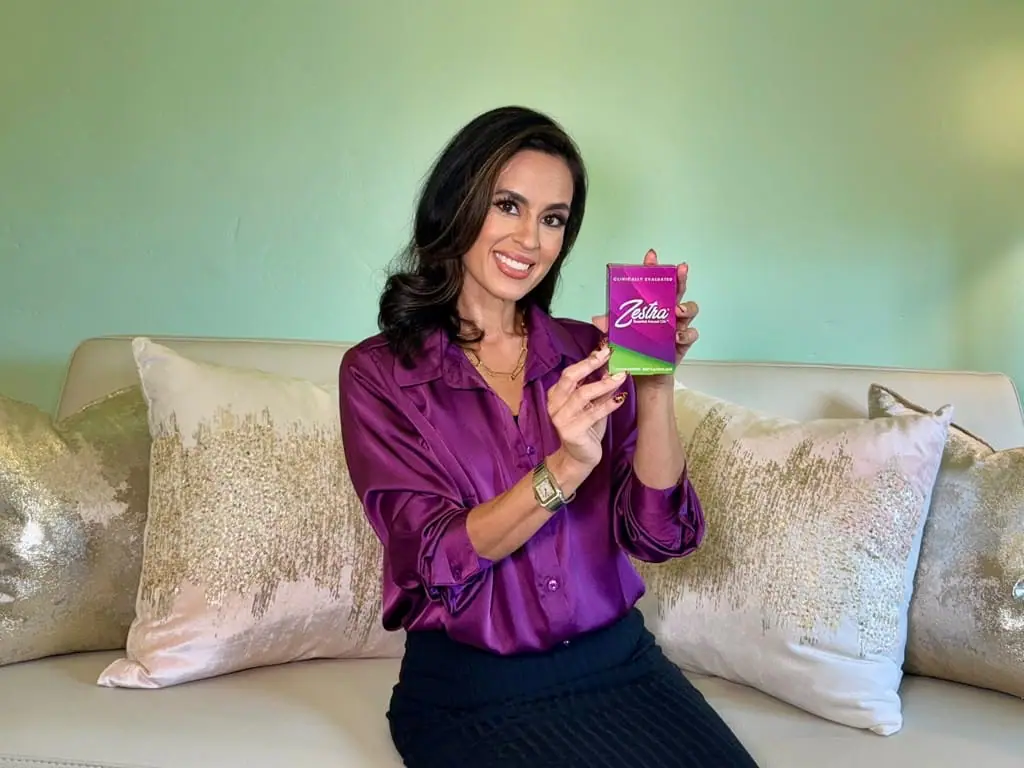
Zestra is a topical arousal oil designed to enhance physical sensation.
It is applied externally and is intended to create a warming, tingling, or heightened sensory experience.
Unlike a traditional lubricant, which is primarily used to reduce friction, an arousal oil is designed to add another layer of sensation.
This distinction matters.
Lubrication can make intimacy more comfortable, while an arousal product may help bring greater attention and sensitivity to touch.
Depending on your body, the sensation may feel warming, stimulating, subtle, or more noticeable.
Every body responds differently, which is why it is important to begin slowly and allow yourself enough time to notice how the sensation develops.
Zestra is available in individual-use packets as well as larger product formats. The single-use packets can be a convenient way to experience the product before deciding whether you would like to make it part of your regular pleasure routine.
What I appreciate most is that it does not ask you to perform or respond in a particular way.
It simply creates another opportunity to slow down, notice sensation, and become more curious about what your body enjoys.
Can an Arousal Oil Really Make a Difference?
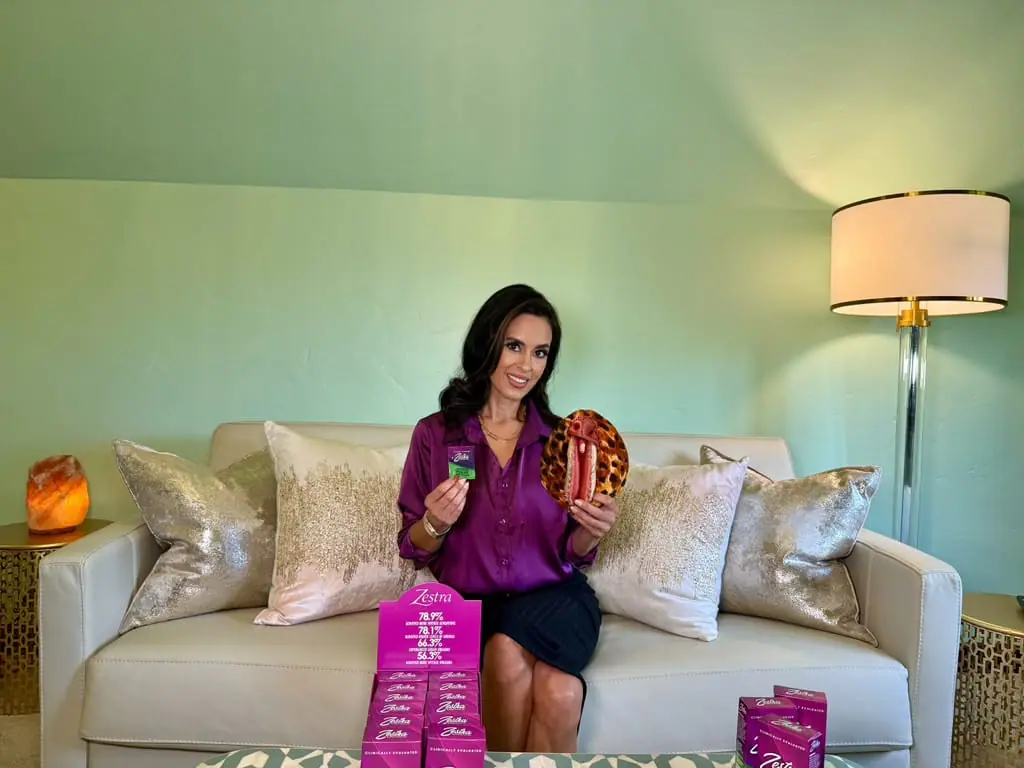
This is one of the questions women frequently ask online:
“Can an arousal oil really make a difference, or is it just another product I do not need?”
The honest answer is that it can make a meaningful difference for some people, but not because it magically creates sexuality or desire.
Arousal is influenced by both the mind and the body.
When your attention is scattered, you are monitoring how you look, wondering whether you are taking too long, or feeling pressure to reach orgasm, it becomes difficult to remain connected to what you are actually feeling.
A warming or tingling product gives your attention somewhere specific to go.
You may begin noticing:
- Where the sensation is developing.
- Whether it feels subtle or intense.
- What kind of touch complements it.
- Whether slowing down makes the experience stronger.
- Which areas of your body want more or less stimulation.
This process can move you away from evaluating your performance and back into experiencing your body.
That shift matters.
The value of a product like Zestra is not only the physical sensation it may create. It can also become an invitation to pause, become curious, and explore pleasure without rushing toward a predetermined outcome.
The Pleasure-Product Trend I Hope Is Here to Stay

Sexual wellness is increasingly becoming part of the larger self-care conversation.
Women are speaking more openly about vulva care, pelvic health, menopause, lubrication, sexual discomfort, pleasure after childbirth, body-safe products, and changing sensitivity.
Pleasure products are also moving out of the hidden corners of the internet and into thoughtful conversations about wellbeing, confidence, and quality of life.
That does not mean every trending product is necessary or appropriate for every body.
It means we are becoming more willing to ask better questions:
What helps me feel present?
What makes touch more enjoyable?
What has changed in my body?
What do I need now that I did not need five years ago?
What have I never given myself permission to explore?
Pleasure is not static.
What worked for you at 25 may not be what your body wants at 35, 45, or 65.
Hormonal transitions, stress, relationships, medication, and life experience can all change the way desire and arousal feel.
Rather than chasing the version of yourself you used to be, sexual self-care invites you to become curious about the body you have now.
That is one of the reasons I appreciate products that offer a simple entry point into exploration.
You do not need an elaborate routine or a particular level of experience.
You can begin with privacy, curiosity, and enough time to pay attention.
How to Make Zestra Part of a Pleasure Ritual
I often encourage people to think beyond applying a product immediately before intercourse.
Pleasure deserves more space than that.
A ritual does not need to be complicated. It simply signals to the mind and body that you are moving out of responsibility and into sensation.
You might begin by putting your phone away, softening the lighting, playing music, or taking a warm shower.
Notice whether you are holding tension in your jaw, shoulders, abdomen, or pelvic floor.
Take several slow breaths before you begin touching your body.
Apply Zestra externally and only according to the instructions provided with the product. Begin with a small amount, particularly if you have sensitive skin or have never used a warming product before.
Then give the sensation time to develop.
You do not need to immediately do anything with it.
Notice how your body responds. Allow the experience to unfold gradually instead of rushing toward orgasm or penetration.
You might include:
- Massage over the thighs and hips.
- Touch across the stomach, chest, or neck.
- A vibrator or another preferred pleasure product.
- Fantasy, erotic audio, or another form of mental stimulation.
- Slow partnered touch without rushing toward penetration.
- Open communication about pressure, rhythm, and intensity.
This turns the product into part of a larger sensory experience rather than treating it as a shortcut to orgasm.
Should I Try Zestra Alone or With a Partner?

Trying it by yourself first can be helpful.
Solo exploration gives you the freedom to understand the sensation without wondering what your partner is thinking or expecting.
You can adjust the pace, stop when needed, and learn which kinds of touch feel best.
Once you understand how your body responds, you can introduce it into partnered intimacy with greater confidence.
You might say:
“I want to try something that may make touch feel more intense. I would like us to take our time and notice how my body responds.”
That conversation itself can build intimacy.
Using a pleasure product does not mean your partner is inadequate. It means you are expanding the range of sensations and experiences available to you both.
A product is not a replacement for communication.
It can become a reason to communicate more openly.
What Does Zestra Feel Like?
Zestra is intended to create a warming, tingling, and sensation-enhancing effect.
The experience may build gradually rather than appearing all at once.
Some people enjoy a more noticeable warming sensation. Others prefer something more subtle.
Neither response is more correct.
Begin with less rather than more. Allow time for the sensation to develop before deciding whether you need an additional amount.
A warming sensation should not feel persistently painful.
Stop using the product if you experience significant burning, swelling, rash, or discomfort.
Always review the manufacturer’s latest instructions before combining Zestra with condoms, barriers, or other intimate products.
Is Zestra Only for Women Experiencing Low Desire?
No.
You do not need to have a sexual dysfunction, relationship problem, or medical diagnosis to explore an arousal product.
Zestra may appeal to someone who already enjoys sex but wants to experience a different kind of sensation.
It may also be helpful for someone who finds that arousal takes longer than it once did or who wants to reconnect with pleasure after a demanding season of life.
It may be worth exploring when:
- You want to add more warmth or intensity to touch.
- You are curious about changes in sensitivity.
- You need more time to transition into an aroused state.
- You want to refresh a familiar solo or partnered routine.
- You are exploring pleasure during perimenopause or menopause.
- You feel mentally interested, but your body needs additional stimulation.
- You want to become more intentional about sexual self-care.
However, no pleasure product should be used to ignore pain or persistent symptoms.
If you are experiencing ongoing pain during sex, unexplained numbness, significant burning, bleeding, sudden changes in sensation, or distress about your sexual functioning, speak with a qualified healthcare or sexual-health professional.
A product can support pleasure, but it cannot diagnose or resolve every underlying cause.
Zestra, Menopause, and Changing Sensitivity
Many women notice that pleasure changes during perimenopause and menopause.
Some experience changes in lubrication, tissue comfort, genital sensation, orgasm, or the amount of stimulation needed to become aroused.
Emotional and relational changes may also shape sexual interest during this stage of life.
These shifts do not mean that pleasure has an expiration date.
They mean your body may require a different approach.
This could involve more time, a different lubricant, pelvic-floor care, medical support, direct clitoral stimulation, vibrators, arousal products, or a change in the way you communicate about sex.
My approach to sexual wellness brings together psychology, sexual-health education, and cultural awareness.
Sexuality is influenced by the whole person, not only physical response.
The goal is not to recreate exactly how your body responded in the past.
The goal is to understand what your body needs now.
What I Want Women to Remember
You are not supposed to respond exactly the same way every time.
You do not need to become aroused instantly to prove that you desire your partner.
You do not need to reach orgasm for an experience to be meaningful.
And you do not need to wait until something feels wrong before becoming curious about what could make pleasure feel better.
Sexual wellness is not only about treating problems.
It is also about building knowledge, confidence, and a relationship with your body that continues to evolve.
Pleasure products are tools.
They cannot create emotional safety, replace communication, or resolve every concern.
But the right tool can make exploration feel more accessible.
Zestra offers a simple way to introduce warmth, sensation, and intention into that exploration.
Perhaps the most meaningful part is not the product itself.
It is the decision to give your pleasure more time, attention, and care.
Ready to Explore Something New?
Whether you are reconnecting with your body, navigating changing sensitivity, or simply looking for a new pleasure essential, Zestra can be incorporated into solo or partnered intimacy at your own pace.
Begin slowly. Stay curious. Release the pressure to perform.
Let the experience be about discovering what your body enjoys now.
About Dr. Shannon Chavez
Dr. Shannon Chavez is a psychologist and certified sex therapist specializing in women’s sexual health, intimacy, and pleasure.
Her work brings together psychology, sexual-health education, and cultural awareness to help people better understand their bodies, relationships, and evolving experiences of pleasure.
She also contributes her expertise as a member of Zestra’s advisory team.


